


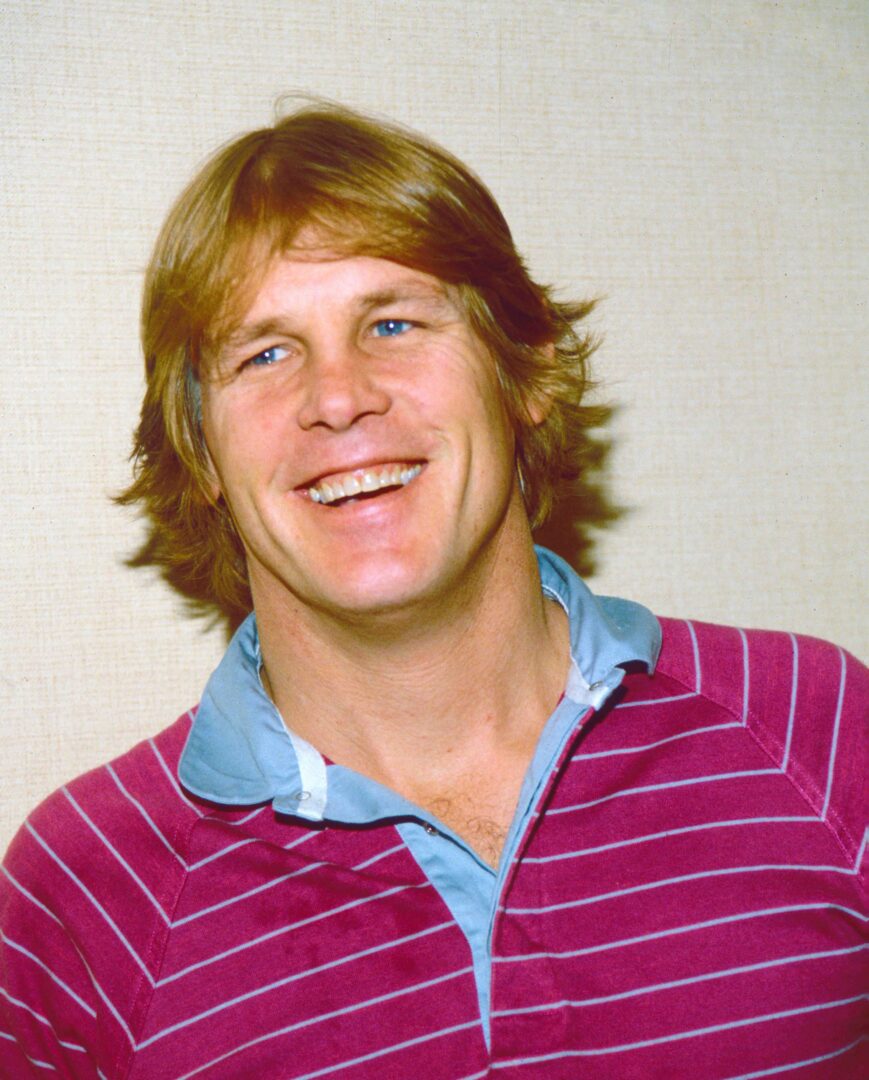
I remember fondly interviewing the amazing Nick Nolte for Who’ll Stop the Rain (1978) by Karel Reizs with Tuesday Weld, North Dallas Forty (1979) by Ted Kotcheff, Cannery Row (1982) with Debra Winger, also photographing him for Under Fire (1983) by Roger Spottiswoode.
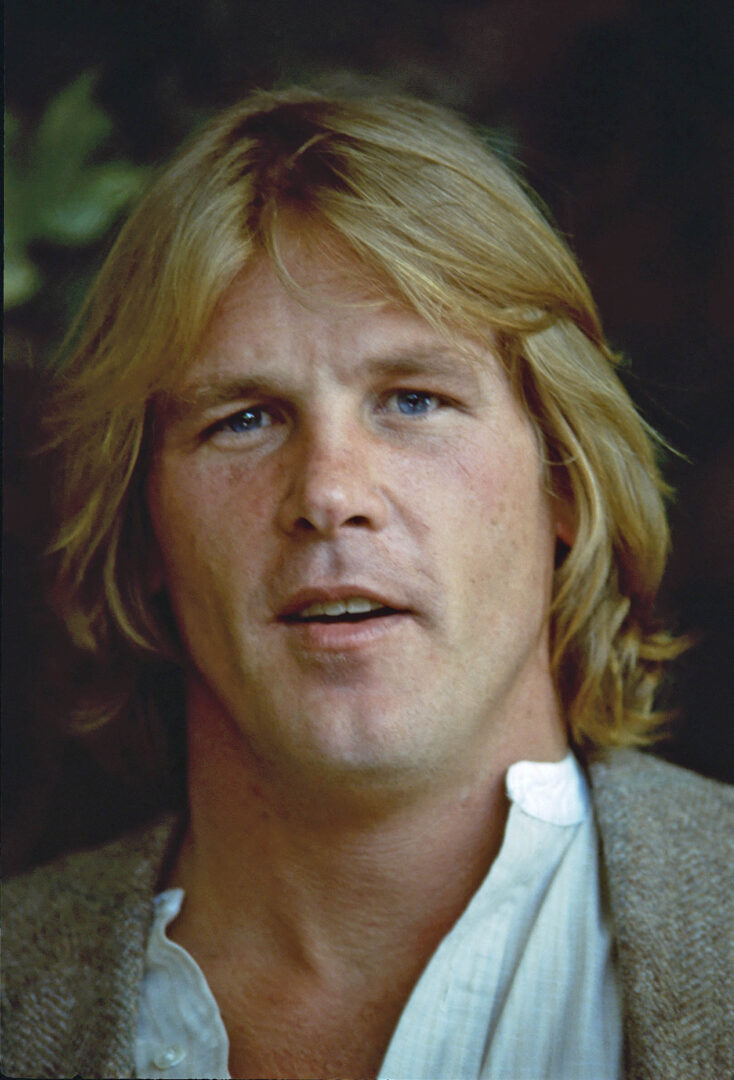
In 1986, I photographed Nick Nolte on the set of the western Extreme Prejudice directed by Walter Hill.
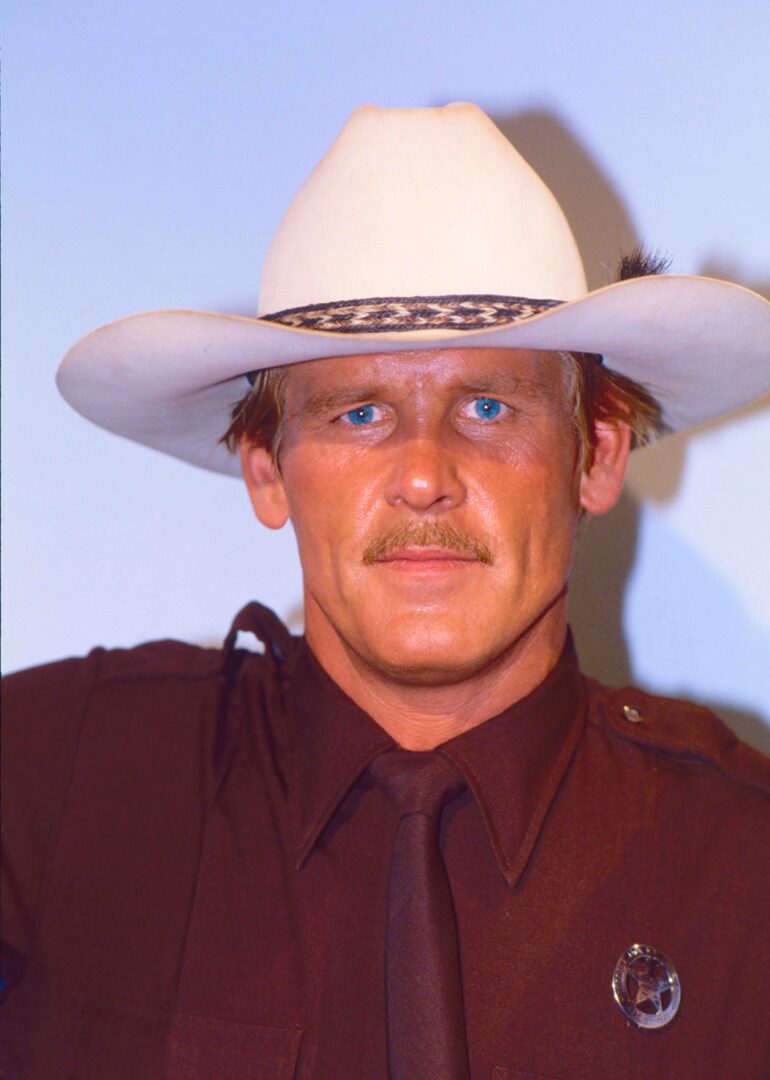
I interviewed and photographed Nolte again for Weeds (1987)
In 1989, I wrote a long career interview with Nolte for Marie Claire, Italy, and another interview for Marie Claire in 1994, after interviewing him for The Prince of Tides (1992) directed by and co-starring Barbra Streisand, and Lorenzo’s Oil (1992) with Susan Sarandon.
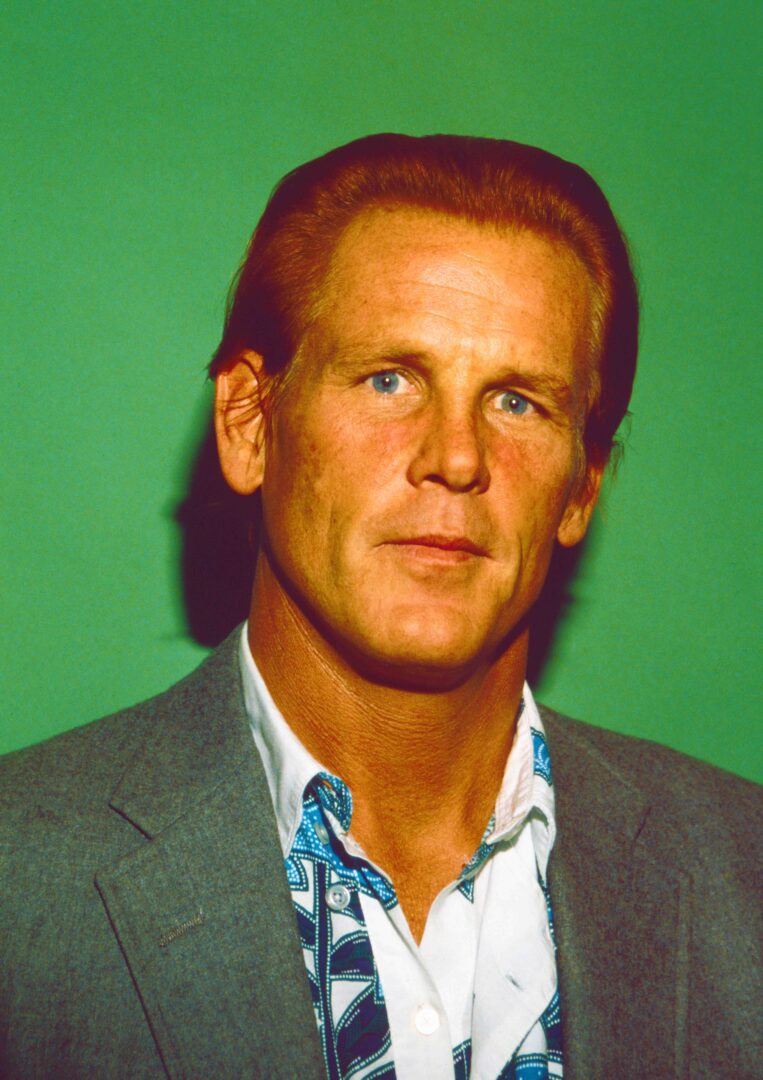
In 1994, I wrote an interview with Nick Nolte about I’ll Do Anything by James Brooks and Blue Chips by William Friedkin, for VENICE, Los Angeles Arts and Entertainment Magazine, when I was film editor from 1990 to 1999.
In 1995, I wrote for Donna Moderna an interview with Nolte about Jefferson in Paris by James Ivory.
In 1996, I wrote for Gioia, the Italian fashion weekly, an interview with Nolte about Mulholland Falls by Lee Tamahori
In 1997, another interview for Donna Moderna, in 1999 for Gioia an interview with Nick Nolte about The Thin Red Line by Terrence Malick.
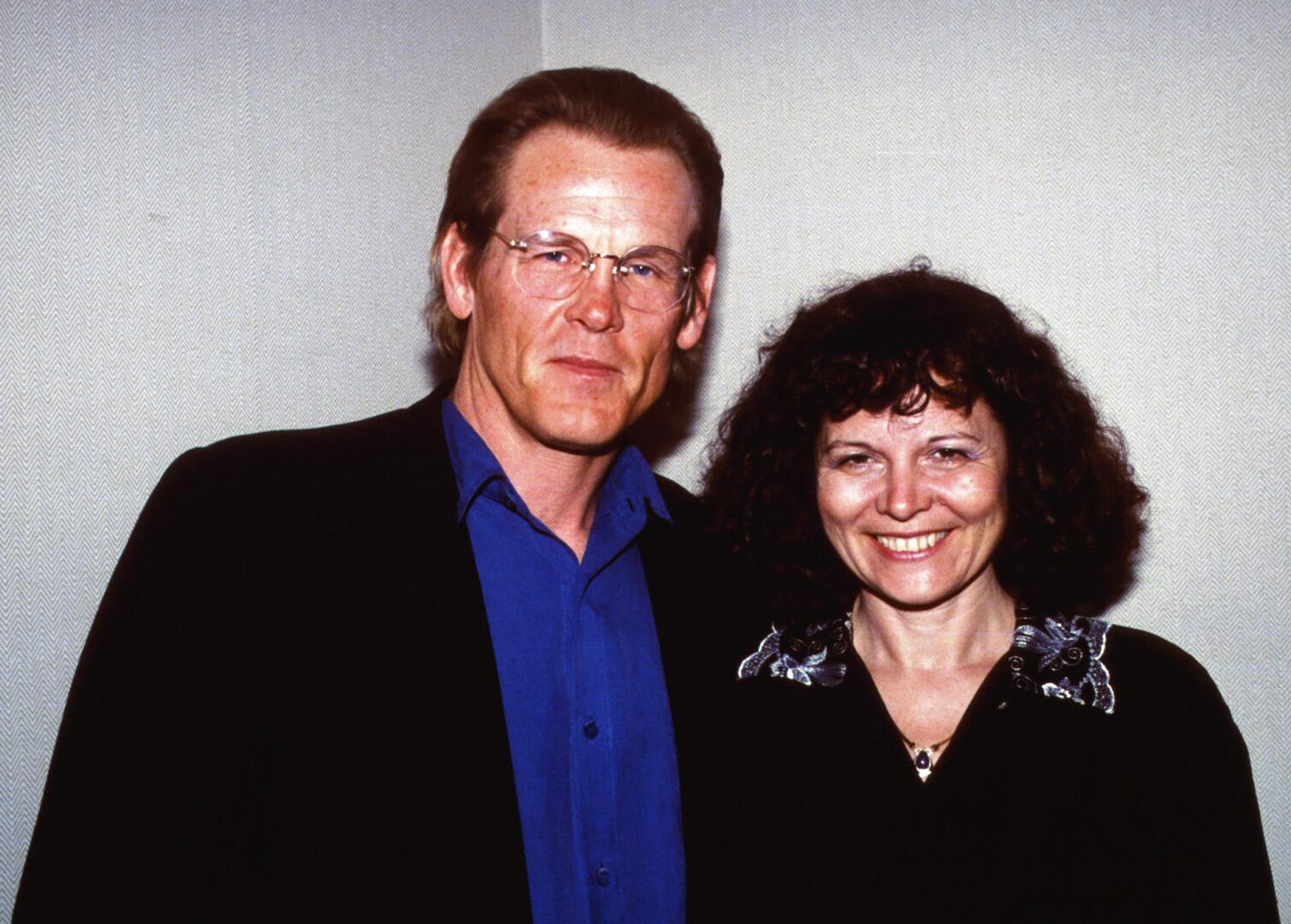
In 2015, I wrote for Cultural Weekly about A Walk in the Woods, where Nick Nolte co-starred with Robert Redford. Read it here.
It was an unexpected pleasure to see this talented actor, still active in his 80s, featured in an episode of Poker Face by Natasha Lyonne. Read here my article about season two.
The last time I interviewed Nick Nolte was in 2016 and 2017 about the TV series Graves, where he played a former US President.
It’s worth quoting what he said then, when Donald Trump was President the first time.
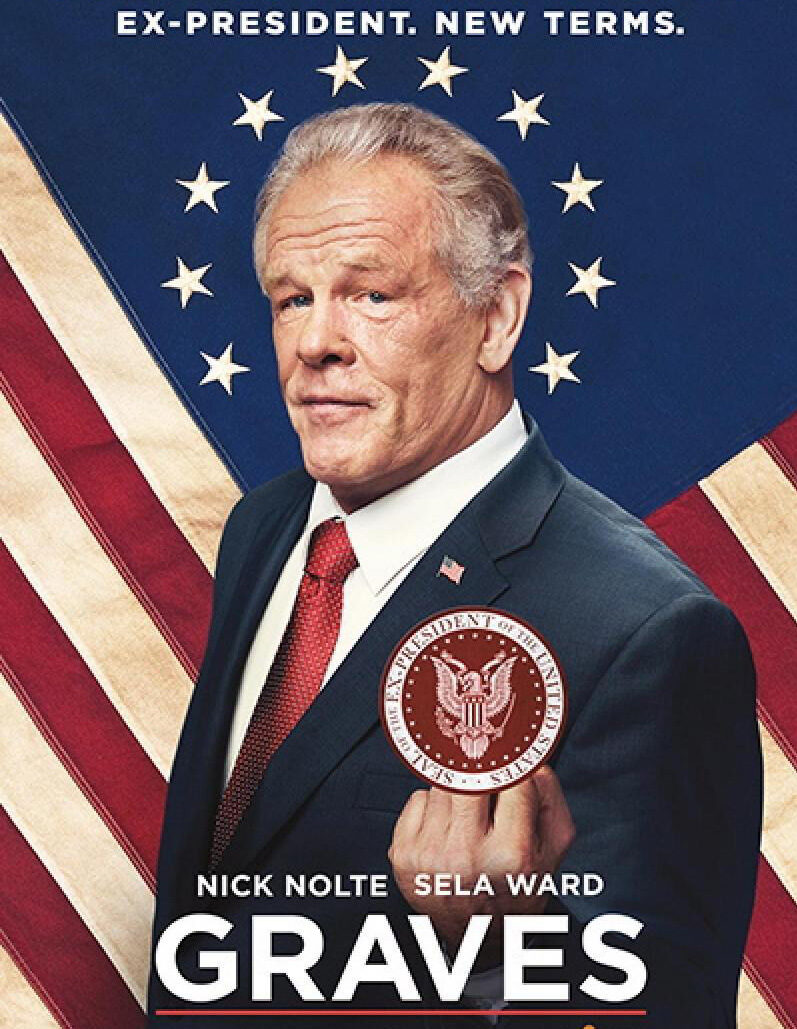
“I play a Republican ex-President regretting decisions he had made and attempting to make amends for the mistakes he made in office 25 years earlier. He is regretting his stance on gay marriage. In fact, we had that sequence written before the Supreme Court ruled that it was okay to get married as a same sex couple. Graves’ stance on immigration policy was pretty much the way it is now under Trump, and in the show he changes his mind on that issue.
“Obviously in the United States we do not have a good leader right now, we’re a very unpredictable funny country, we have a great sense of humor. We have elected somebody with no public service experience, but a leader should be somebody who serves others rather than himself. And we’re in a position that you can’t even tell a joke about him. I don’t think the present administration really knows where they’re going to end up, because Trump tweets. It is a crazy time, and it’s scary from the standpoint that two superpowers have the weaponry to cause mass world destruction.”
Now that early in the new year, 2026, the US Army attacked Venezuela, we are reminded of the Iraq War that started in 2003 after months of worldwide peace protests. Read my post “Venezuela like Iraq.”
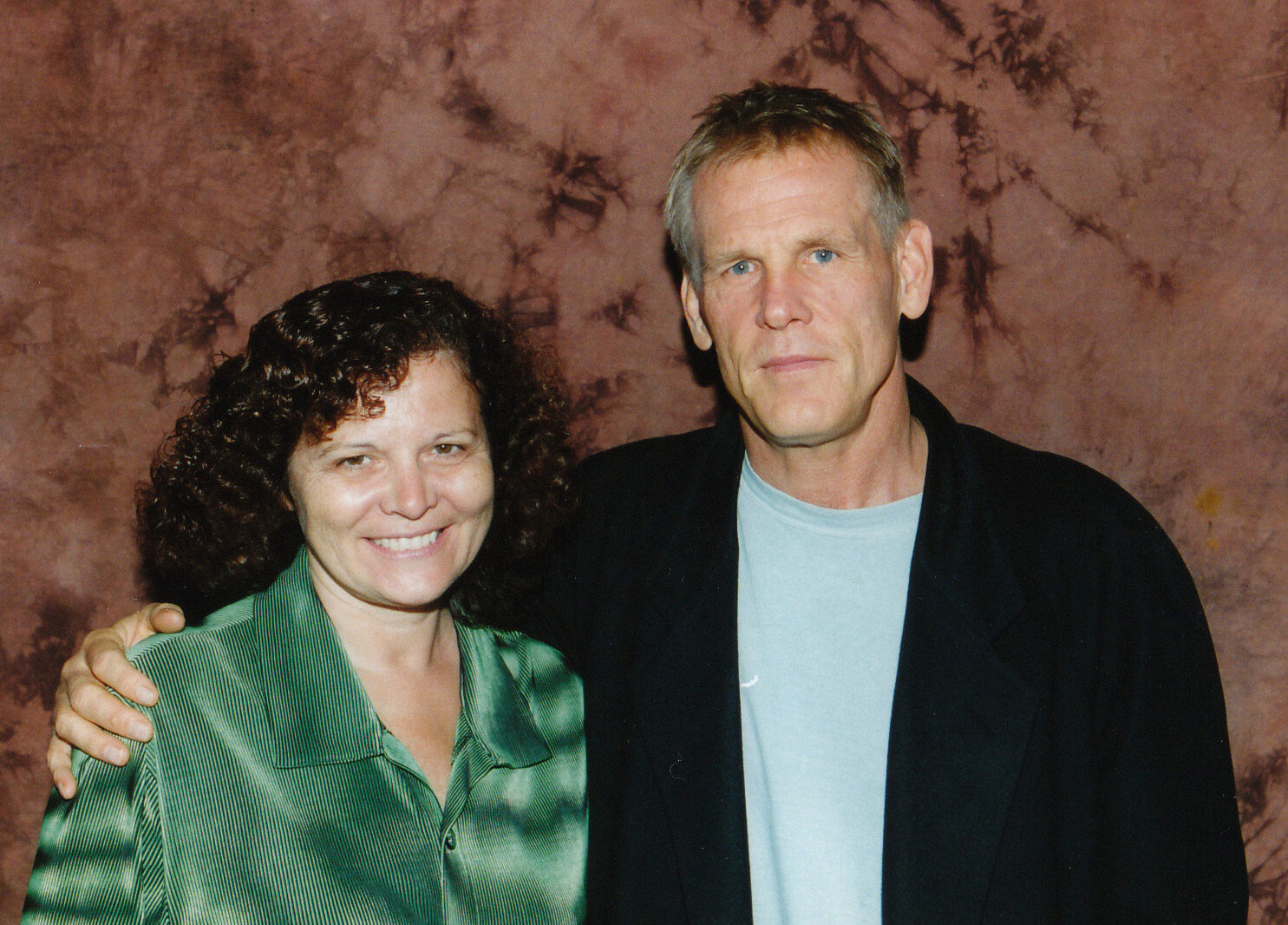
This is what Nick Nolte said in 2005 during an exclusive interview with the journalists of the Hollywood Foreign Press about The Beautiful Country.
“I always felt that, because of the involvement of America in Vietnam, there was a responsibility to this multitude of Vietnamese-American children. Vietnam was the main experience that affected me in my life. It required moral choice and active participation, because it was a war that was not sanctioned by the people or by the Congress.
“As for Iraq, even though there was 9/11, the proper response to that was Afghanistan, the reaction there was totally understandable; but Iraq is questionable. Essentially Saddam Hussein was not involved in 9/11, and they’ve done their best to try to prove that he was, but they haven’t been able to. We become engaged and then we talk about disengaging with honor, but there’s only two choices, either you stop or you continue. It’s very simple, it’s not a complex thing, and it has nothing to do with honor, it has to do with stopping the killing. We have the same situation in Iraq that we had in Vietnam, the United States has to disengage and get out of there.”