


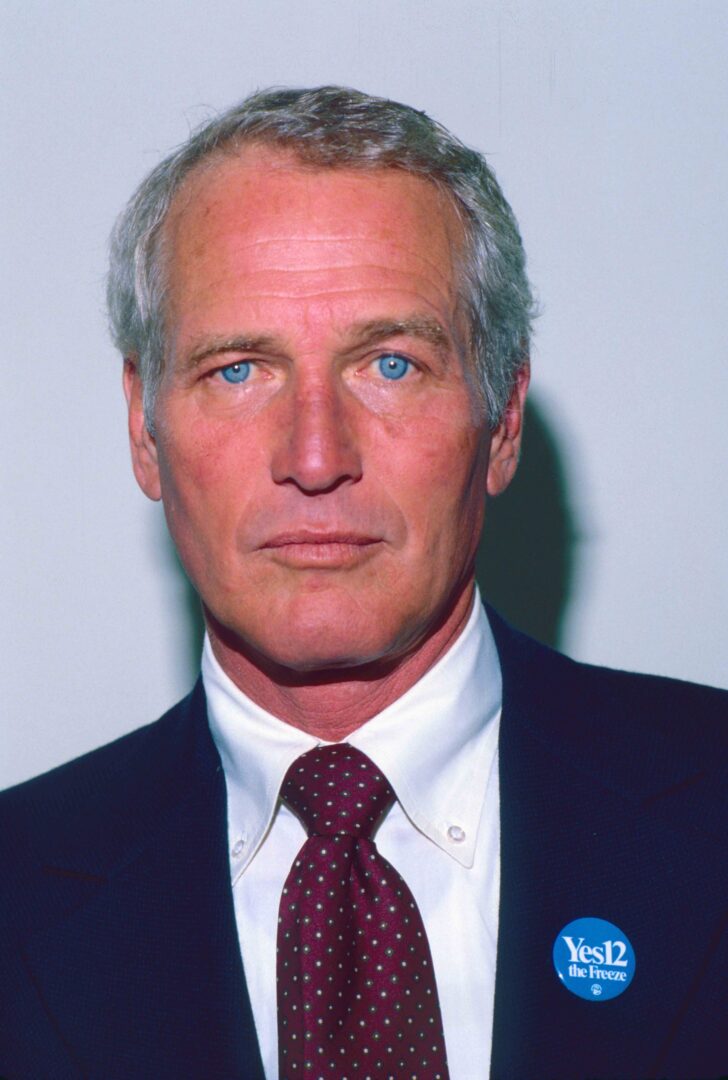
In 1982, I photographed Paul Newman not as an actor but as an activist. He was speaking in support of a ballot measure: Californians for a Bilateral Nuclear weapons Freeze. See the blue button matching his blue eyes: Yes On 12 The Freeze.
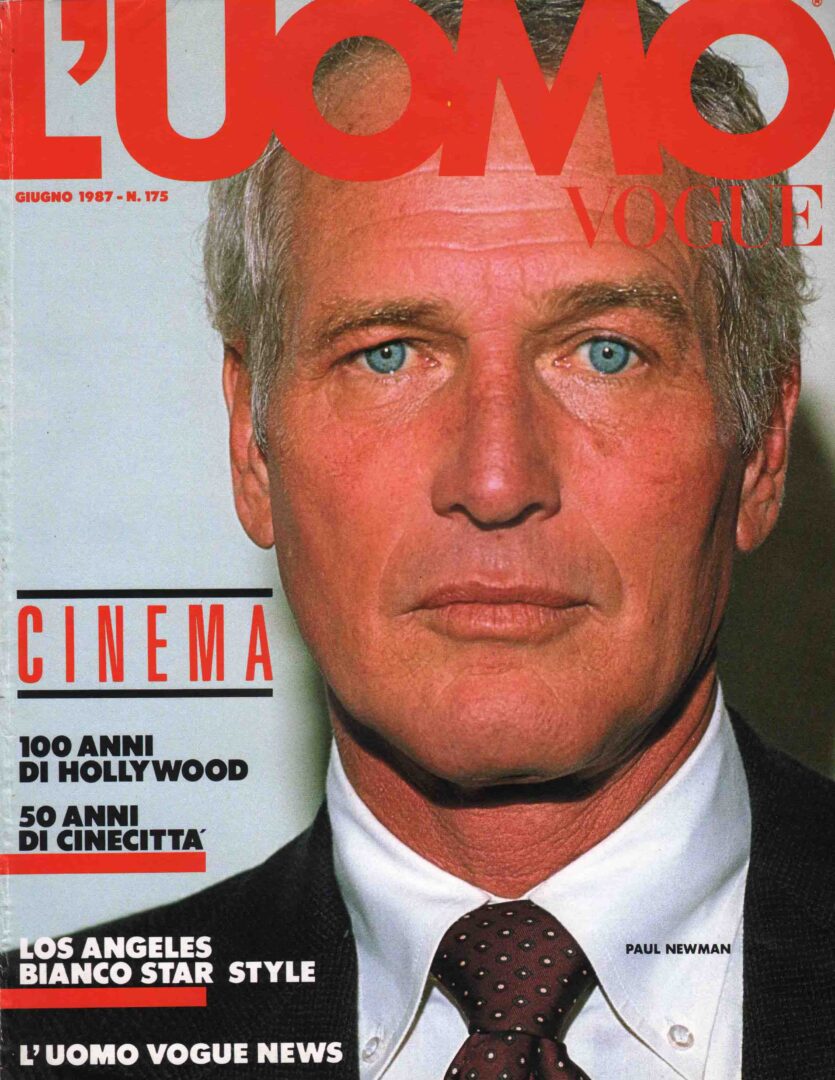
My portraits were published for years on the cover of many publications, including the Italian Uomo Vogue.
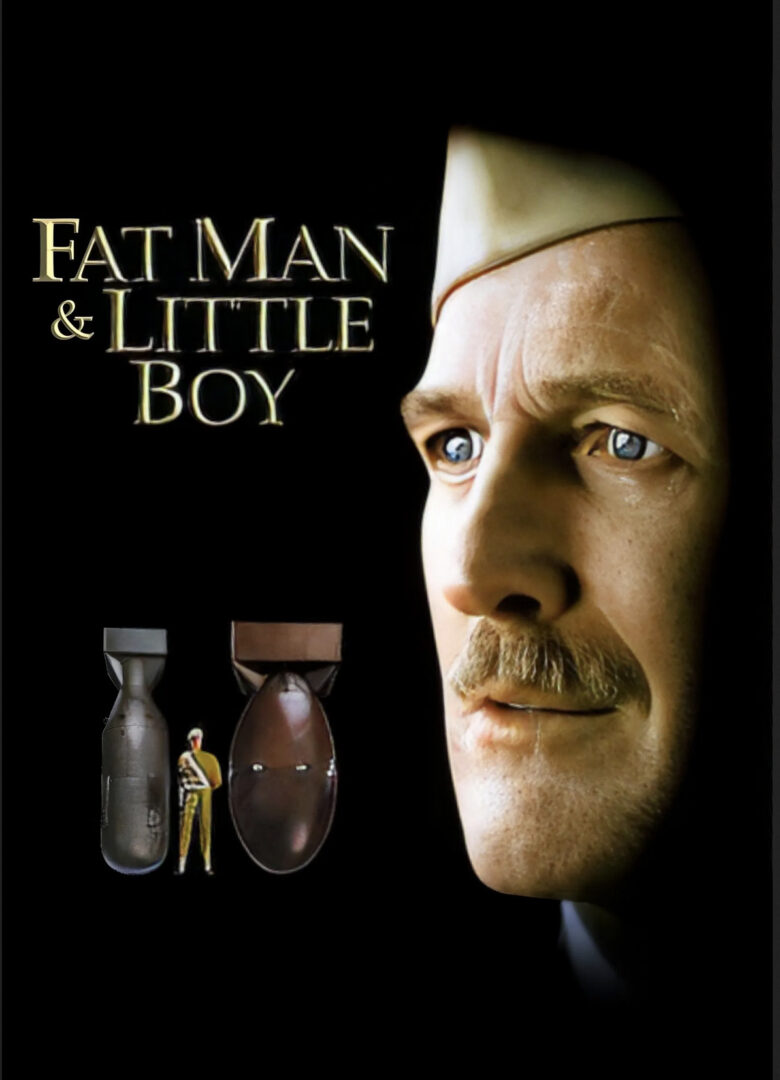
Ironically in Fat Man and Little Boy (1989) by Roland Joffé, the anti-nuclear activist played General Leslie Groves who organized the creation of the atom bomb at Los Alamos and picked Robert Oppenheimer to head the project.
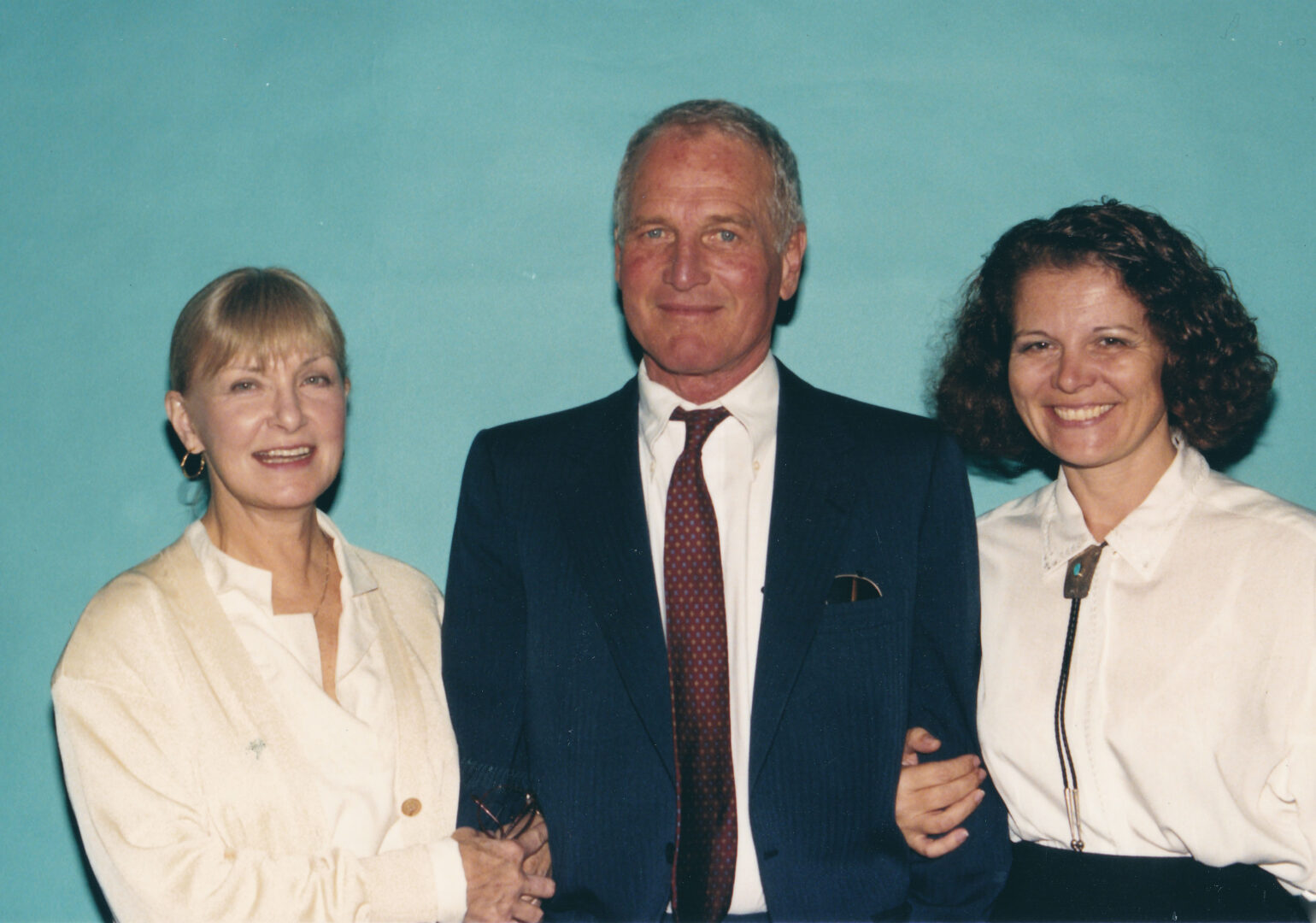
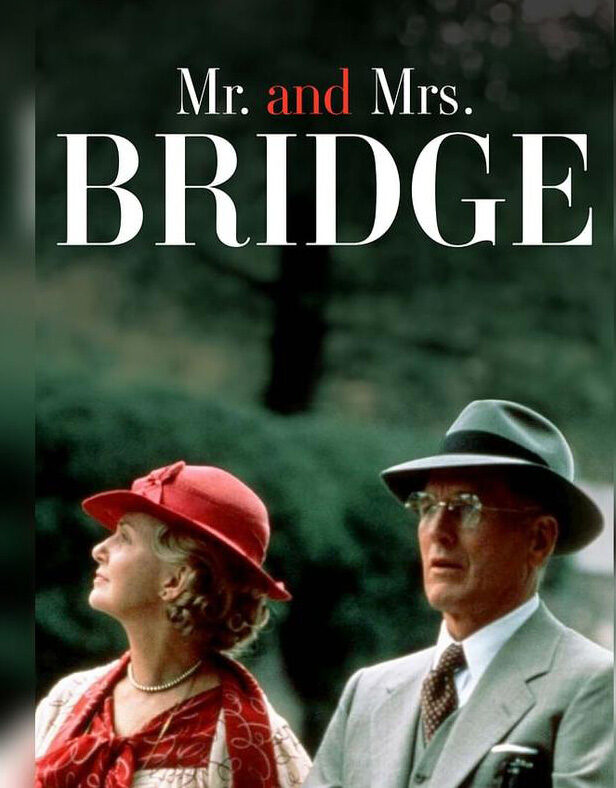
In 1990, I had the rare privilege of interviewing Newman with his wife Joanne Woodward about Mr. and Mrs. Bridge, directed by James Ivory. My text was published in the December issue of VENICE, Los Angeles Arts and Entertainment Magazine.
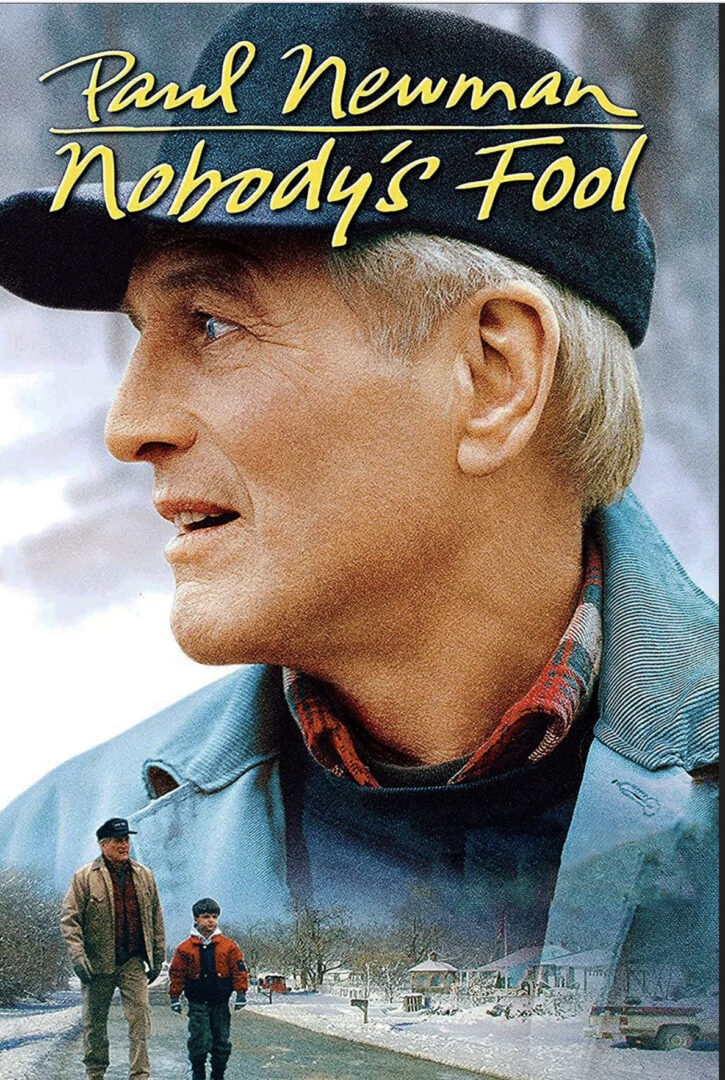
In 1995, I interviewed Newman about Nobody’s Fool, written and directed by Richard Benton. Published in Donna Moderna. That magazine published another of my interviews with Paul Newman in 2000.
In 2002, my career interview with Newman was published in the September issue of the Spanish Cinemanía.
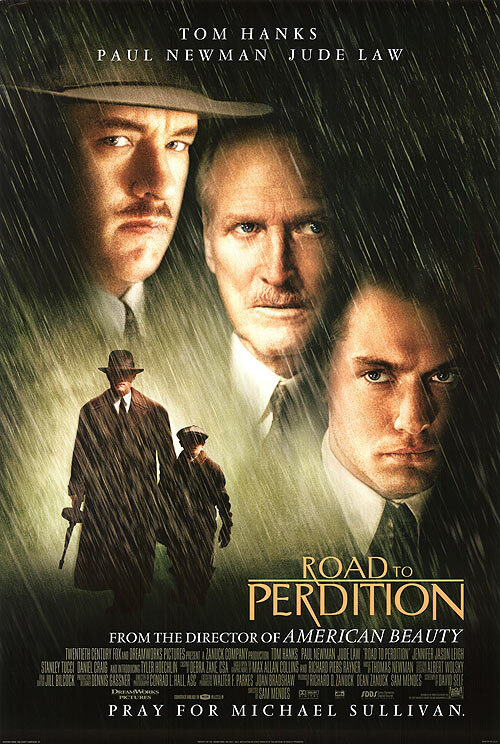
In 2002, I interviewed Newman about Road to Perdition directed by Sam Mendes, published in the December 27 issue of the Italian fashion weekly Gioia.
Here’s Paul Newman’s answer to some of my questions, during interviews from 1989 to 2006, that relate to issues of today.
1989
Do you think it’s possible or even desirable to abolish all nuclear weapons at this point?
“We know that the bomb, for better or worse, has worked as a deterrent for forty years; I think that the Soviet Union or the United States would have made some tragic error if it hadn’t been because of that. But there’s no need for the size of arsenal that we have today, there’s a point now, with the sophistication of these weapons, where a defensive system can become an offensive system. One country would be incapable of launching an offensive strike successfully, they only might think that they could. If you cut down the nuclear arms, you cut the possibility of an error, or an accident, or a mistake, or a miscalculation.”
2000
As a Democrat, are you a believer in gun control? Do you think that would help lessen the excessive amount of violence in American society?
“It’s appalling that there aren’t gun control measures. The idea that the right to carry guns is protected by the Second Amendment is not true, incidentally. In the Constitution it’s clearly defined that certain people having to serve in the militia shall not be denied the right to bear arms; but it’s my understanding that in 1939 the Supreme Court denied that the Second Amendment protected everybody’s right to bear arms and I think my history is right on that. So the NRA now very cleverly has based their opposition to gun control laws on what was the intention of the founding fathers, and they won’t let the cases that use the Second Amendment be brought to the Supreme Court.”
Do you believe that the terrorist attack of September 11 has given the government the excuse to take away civil liberties?
“I think that the climate for debate, which is the great strength of democracy, has been seriously impeded; but to imply that debate is unhealthy and unpatriotic is a very dangerous position, and I believe every American citizen ought to be careful about that. I can’t think of an administration that has been more secretive than this one; and I’m surprised that the American press is not more outraged by this, but everybody else in the world is showing terrible concern.”
2005
As a long-time activist, what are your comments on the state of American politics?
“What’s going on with Social Security now seems to be the pre-eminent political discussion going on. There’s no threat. We have 15, 16, 17, 18 years before that really gets to be a threat, but it’s occupying the majority of our political capital in this country today. There are many other things that are really in a crisis situation: the dollar, the trade deficit, no energy policy, the trade imbalance. It seems to me to be almost a national problem that we attend to the things that we think we can take care of, but they aren’t really the gravest, most important things that we should be paying attention to. It’s a national epidemic. I don’t know how to solve it. Someone has to speak to psychologists and social scientists about that.
In your opinion, what are the most important issues in the world today?
“There might be 15 things, but I haven’t quite put them in order or had a chance to think about it. Obviously, the environment is critical, the Mideast is critical. Government of the people and by the people and for the people is critical, and it’s something that we don’t have in this country right now. I would add poverty, safe drinking water, the AIDS epidemic. And there’s probably 17 more issues of lesser importance, but important to the people who suffer from them.”