


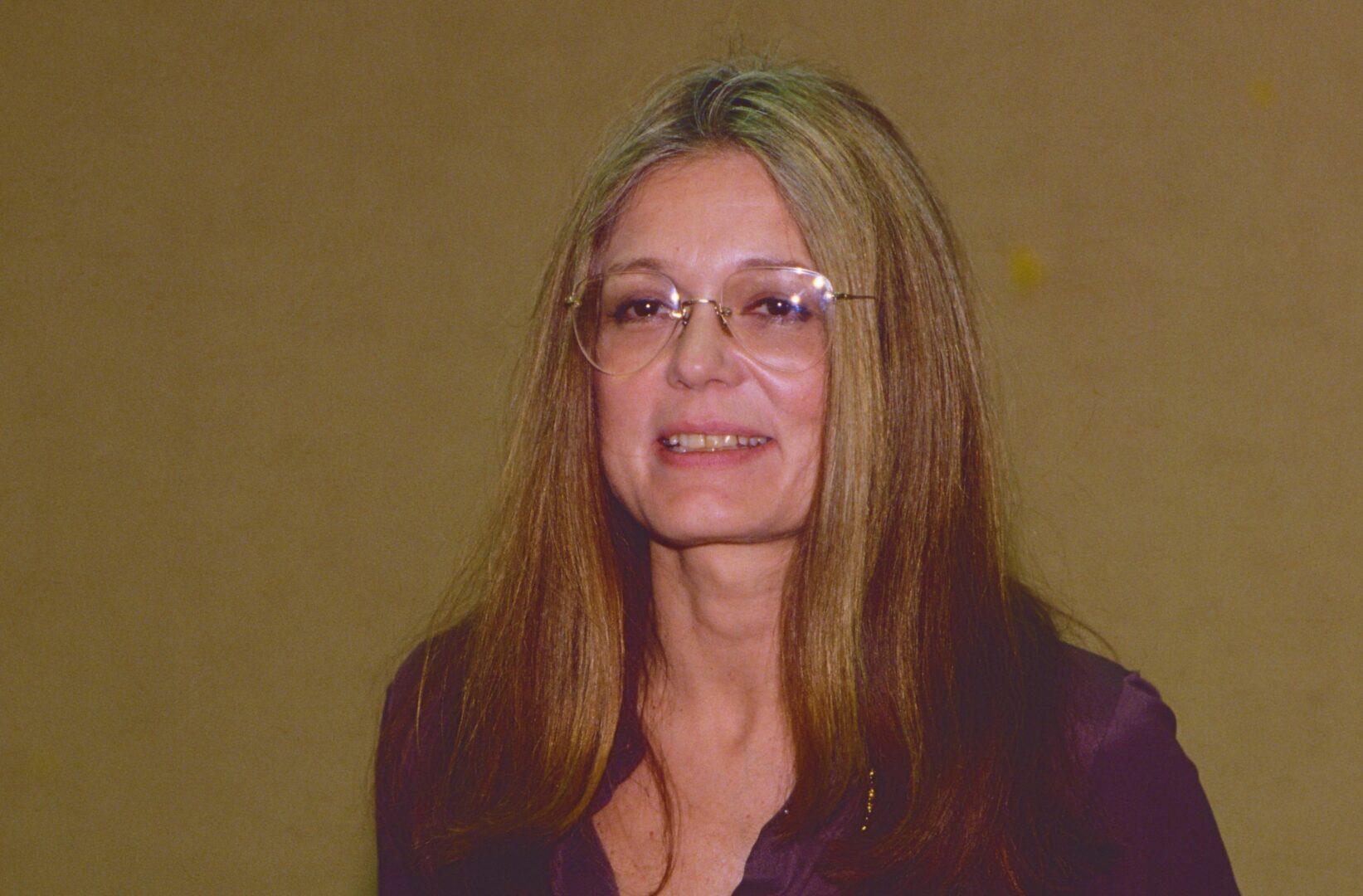
Gloria Steinem, who passed away on September 2, was celebrated at a Memorial held in New York on November 18.
In attendance were three former First Ladies: Michelle Obama, Jill Biden and Hillary Clinton.
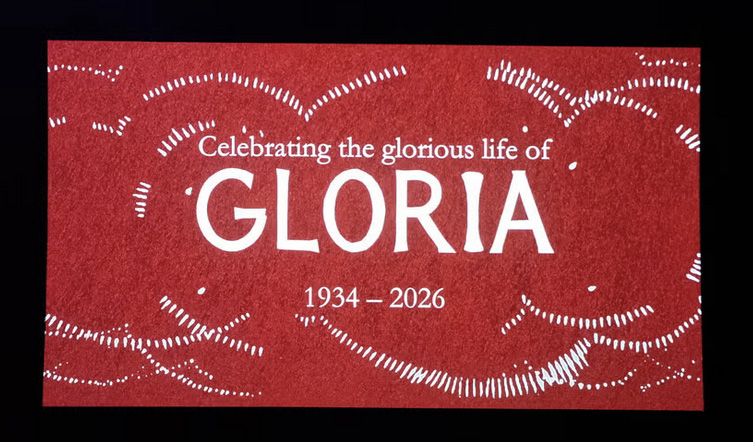
Clinton said: “Gloria gave us 92 years of light, and all the tools, memories, inspiration and hope that we need to keep that light burning. She was one of the architects who built the foundation of women’s equality. The opportunities and freedoms that so many take for granted exist because of Gloria Steinem. She helped make it possible for someone like me to run for president, to win a major party nomination and the popular vote, in case you forgot…”
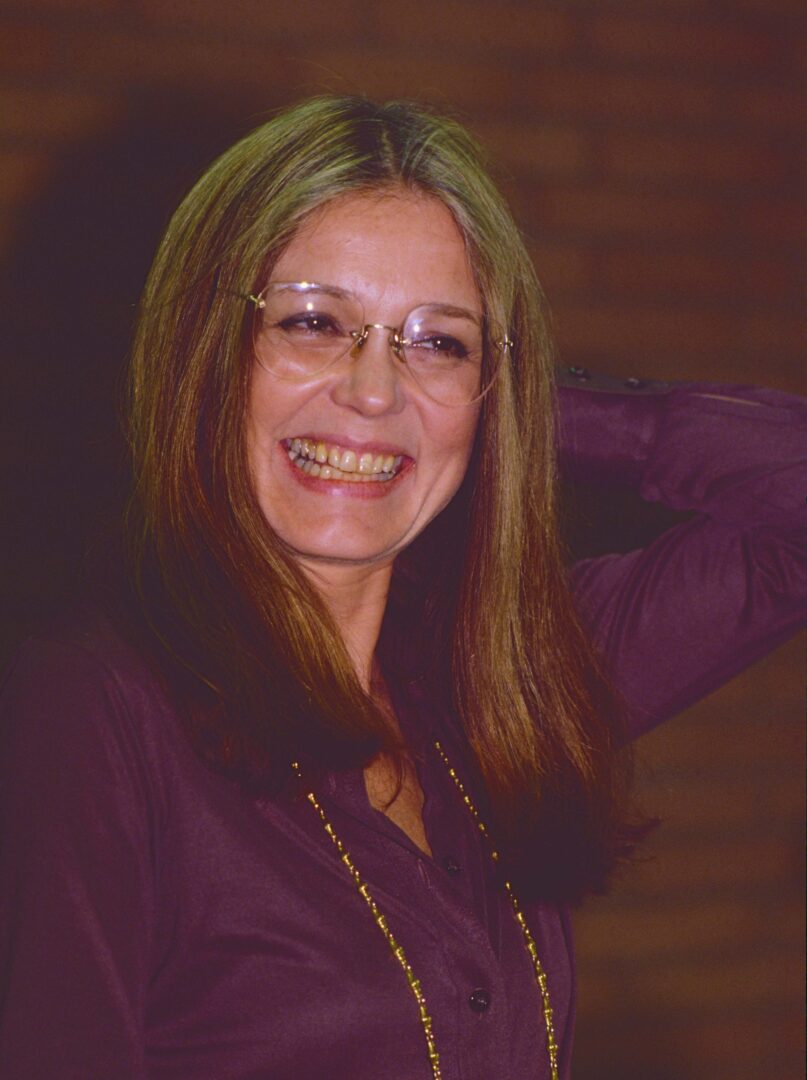
Actress Mariska Hargitay recited the 1997 poem “She” by Alice Walker: “She is the one who speaks her bright mind. She is the one who encourages young & old to do the same. She is the one on the picket line, at the barricade, at the prison, in jail. She is our sister, our teacher, our friend.” Read here all the lyrics of this poem written for Steneim’s 75th birthday.
A needlepoint on the wall read “SMASH THE PATRIARCHY.”
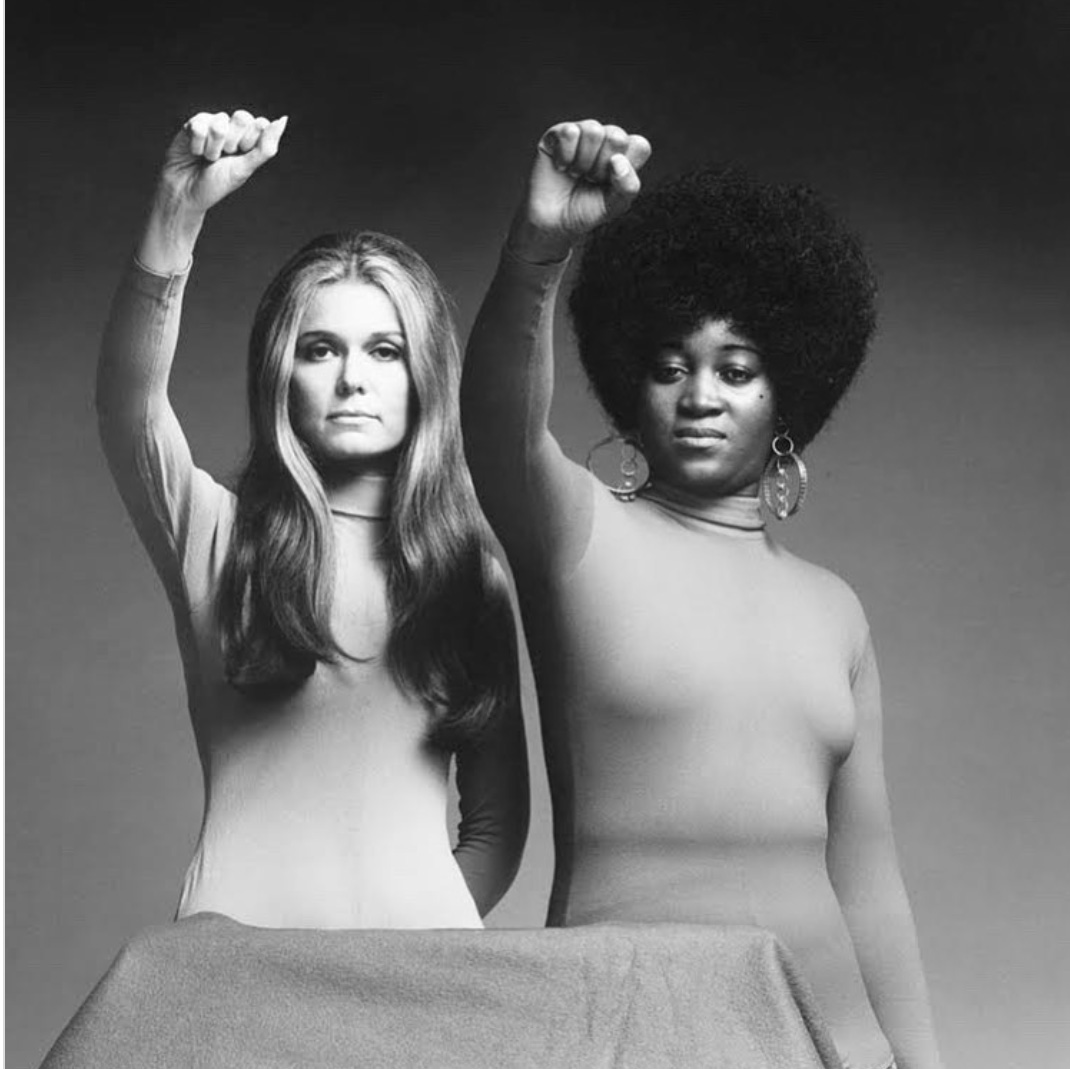
Gloria Steinem often credited Black Women as her mentors. See her posing with Dorothy Pitman Hughes in 1971.
In 1976 I heard Gloria Steinem speak at USC (University of Southern California), and took a few photos (from very far away).
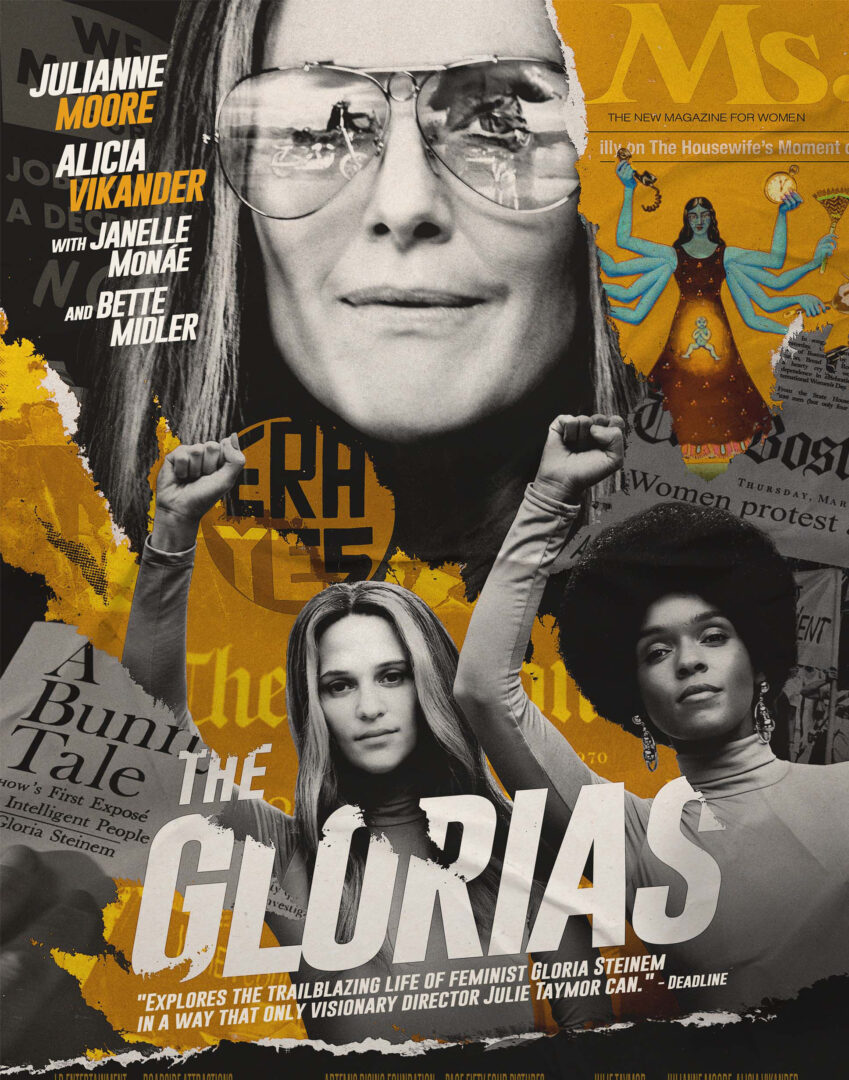
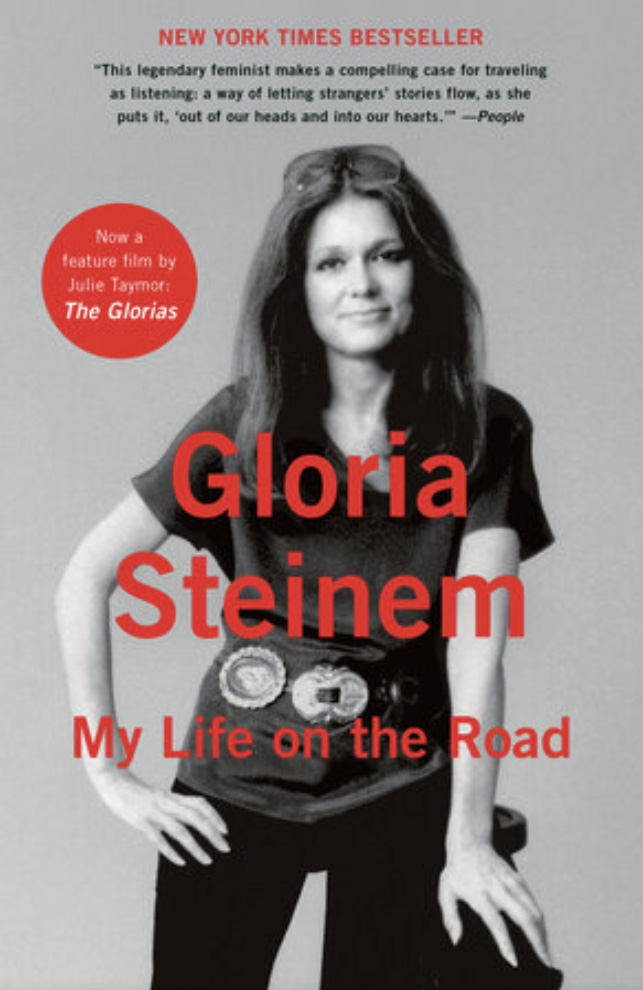
In 2020, I wrote for Cultural Weekly about The Glorias, directed by Julie Taymor, based on Steinem’s 2015 memoir, My Life on the Road
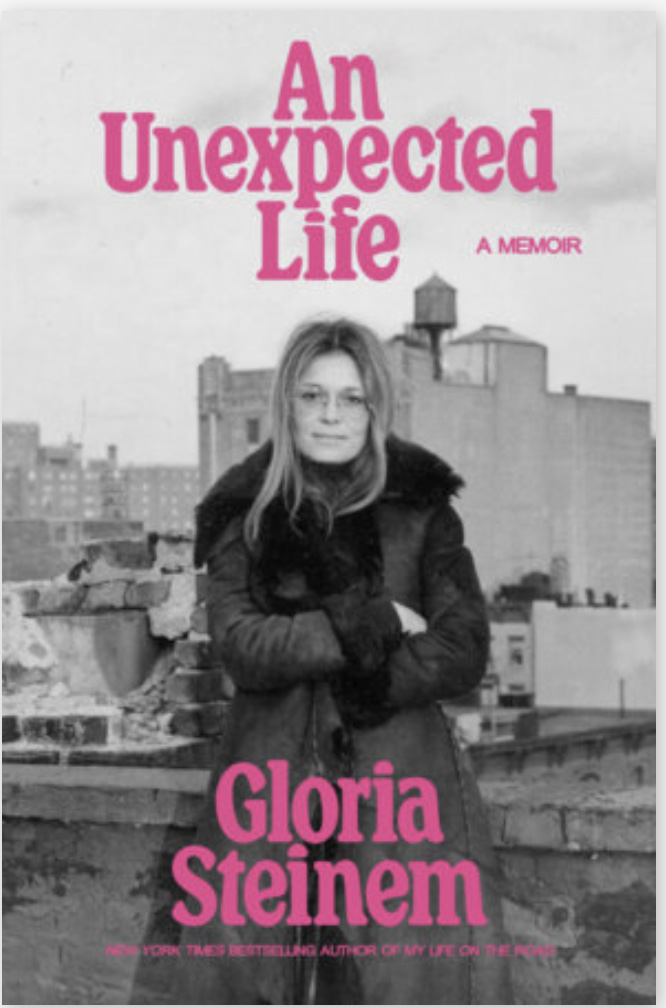
Published posthumously in 2026 was her latest memoir, An Unexpected Life, 2026
Famous Last Words with Gloria Steinem, recorded in February 2025, was aired by Netflix on September 3.
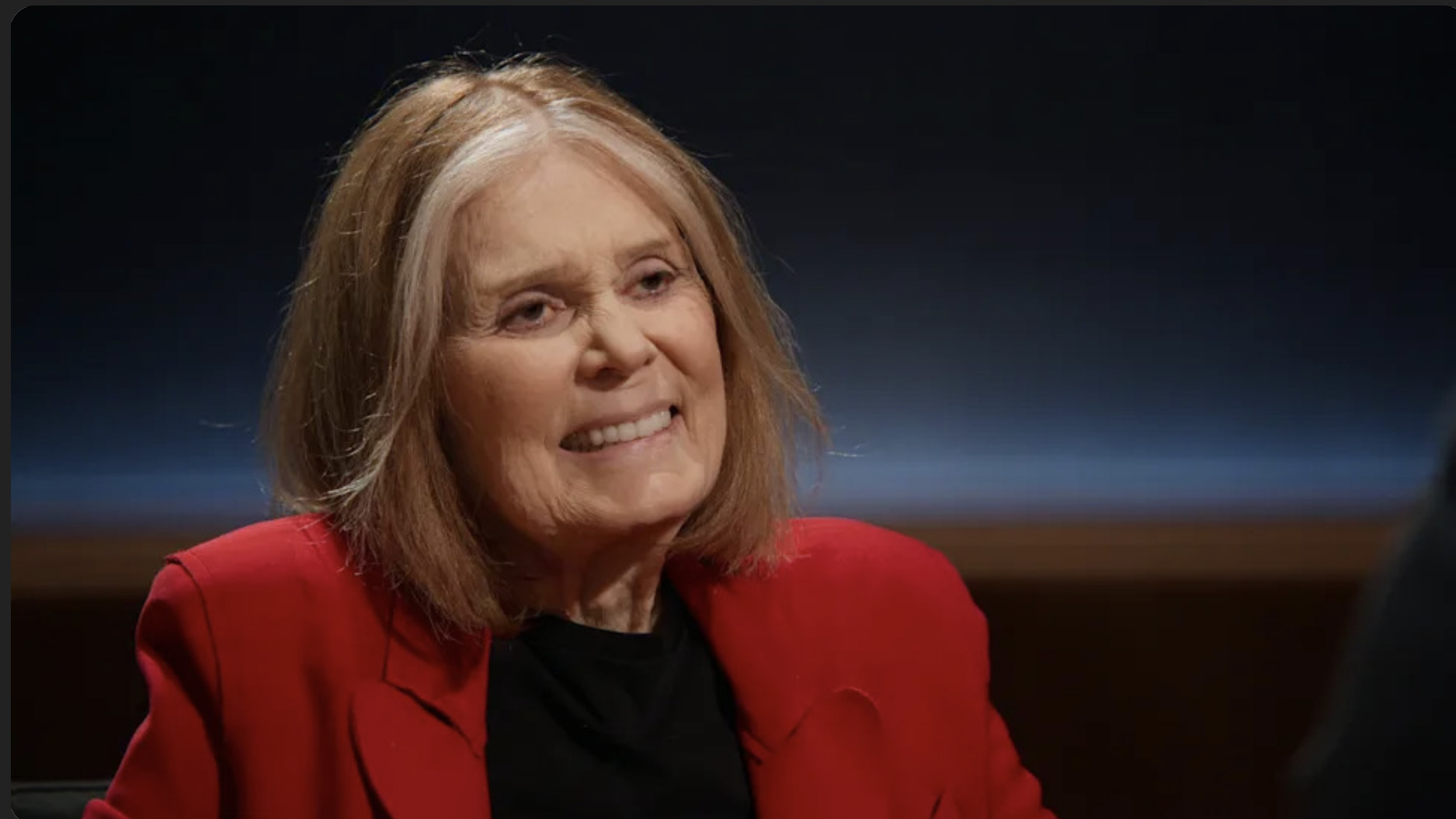
Some of her final words were: “Please tell your own story. This is the most important thing we can do for each other, to influence each other’s lives, to perpetuate what we hope is a global democracy.” So here’s part of “my” story.
In 1970, while living in Rome, I joined the very first feminist organization in Italy, “Rivolta Femminile.”
A documentary about founder Carla Lonzi, directed by Francesca Archibugi, was presented at this year’s Venice Film Festival.
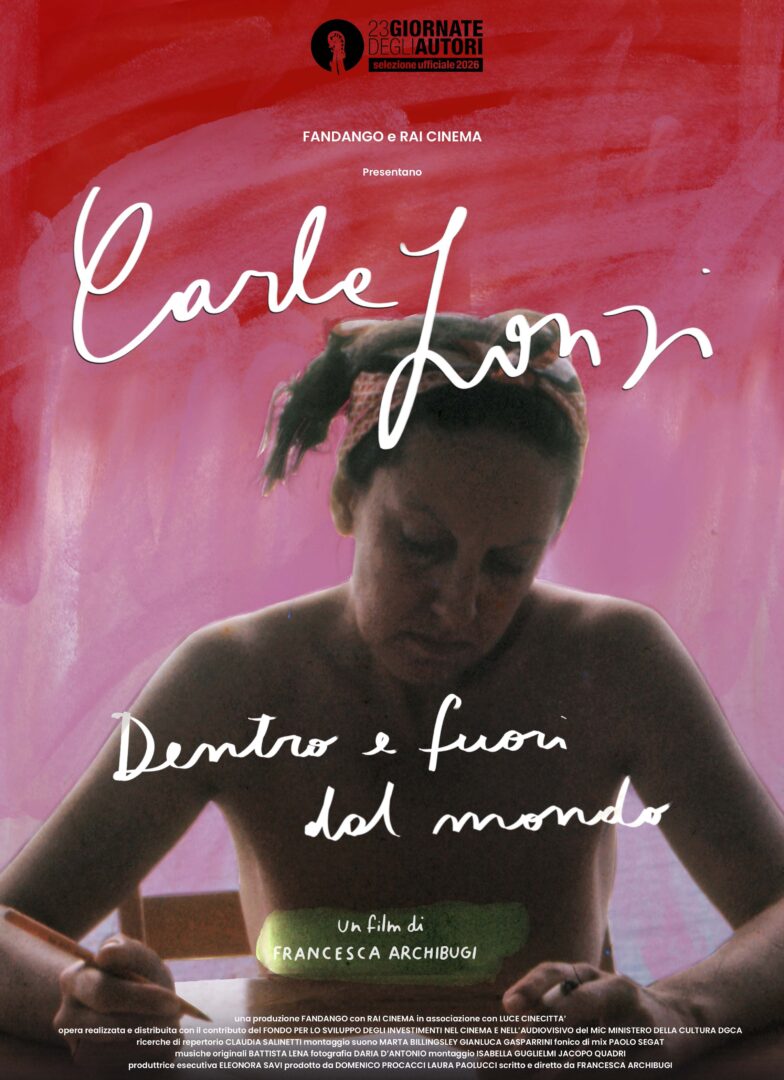
We had public meetings ever increasing in size, where men were not allowed to speak, even if they supported our cause, so that they would not flood the conversation. Then we split up in small consciousness raising groups, taking place in our homes.
I thought I had been “oppressed” when at age 16 my boyfriend told me he would leave me, if I took a judo class, a novelty in my hometown of Modena, that appealed to me as an athlete, a volleyball and tennis player. And I gave in to his ridiculous threat. He was clearly worried that I may overpower him physically, if I learned how to fight that way, challenging his masculinity. But when I heard the horrific stories of other women, who were disrespected by their husbands, I would simply suggest: “Why don’t you leave him?” It was easy for me to say because I was single, but much harder to do, if there were children involved.
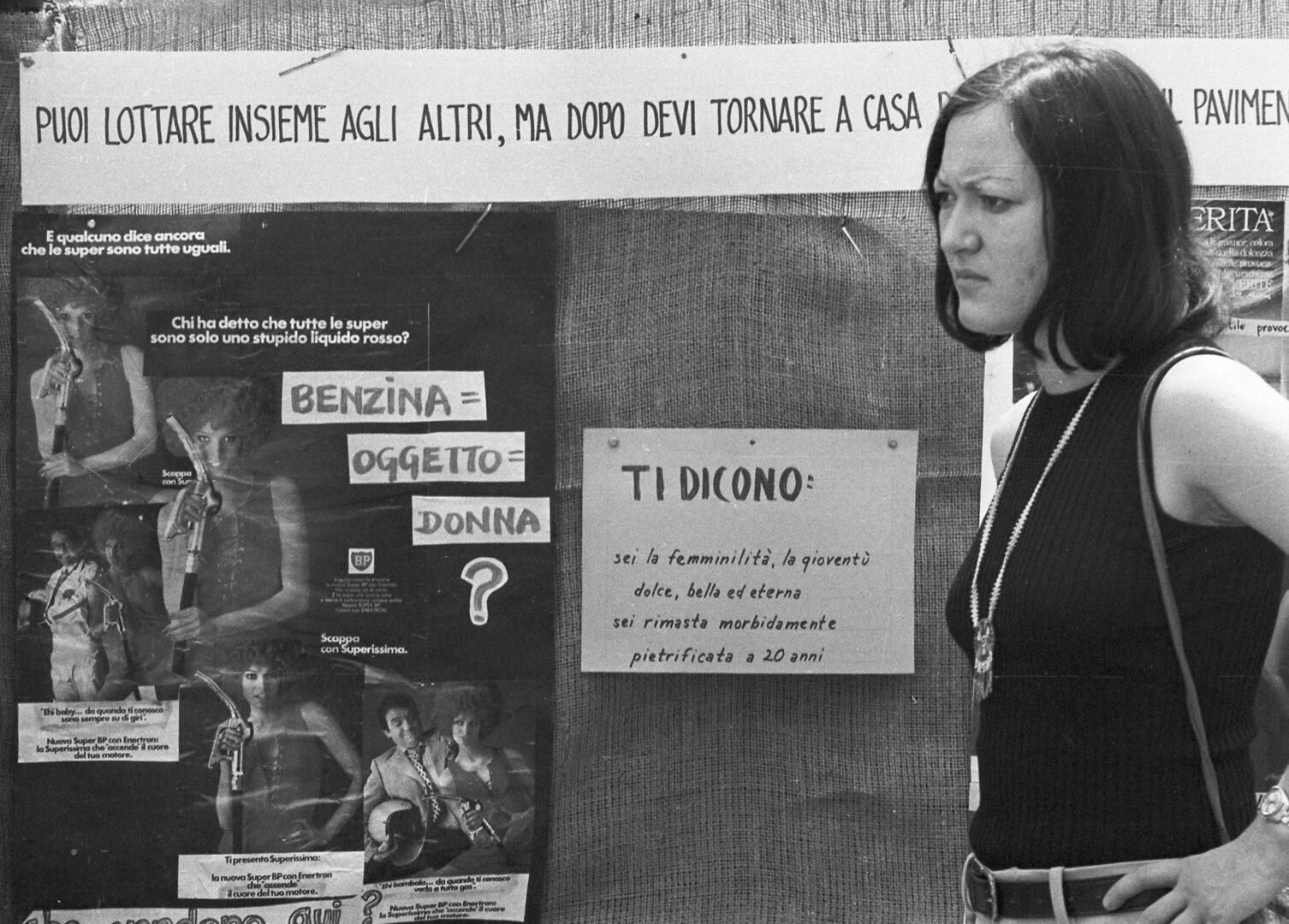
In May 1971, our efforts culminated in staging a public display in Piazza Navona of magazine advertisements and covers using sexualized female bodies to sell products.
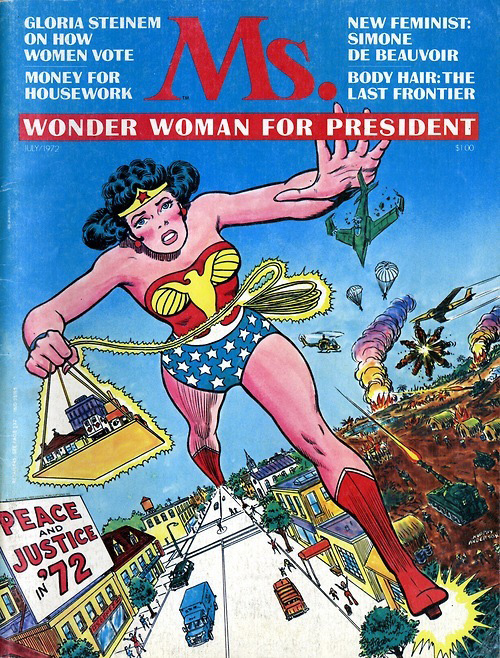
By 1972, I had moved to the US, and I lived in San Francisco when the first issue of Ms. Magazine was published in July 1972. That is when I felt that I was in the right place to start my new life.
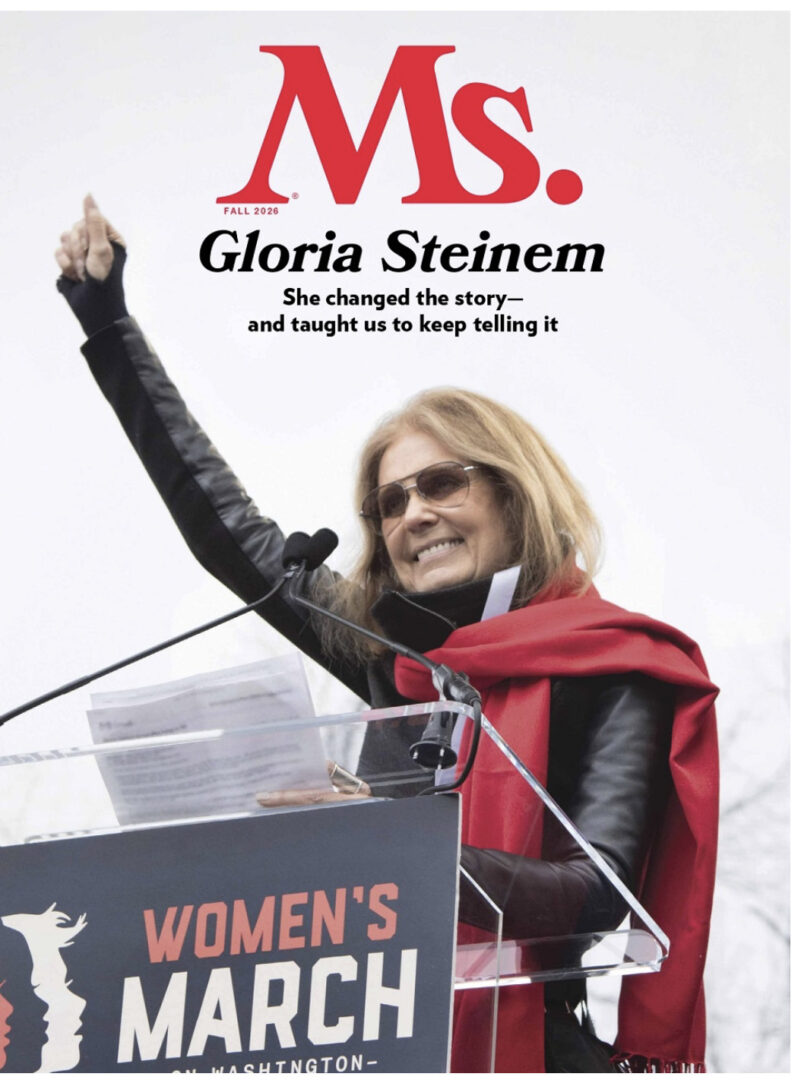
Fifty-five years later, I still subscribe to Ms. (see their latest cover honoring Gloria Steinem), and I attend events at their Beverly Hills office, that they share with the Feminist Majority Foundation.