


More than 8,000 miles from Cambodia, Long Beach, California, is home to the largest Cambodian diaspora population.
Following the Cambodian genocide in 1975, which resulted in the deaths of over 2 million Cambodians, Long Beach became a hub for Cambodian refugees to settle and connect. Cambodians in Long Beach have proven their resilience since—shown in the development of Cambodia Town–a dynamic and vibrant street of Cambodian businesses.
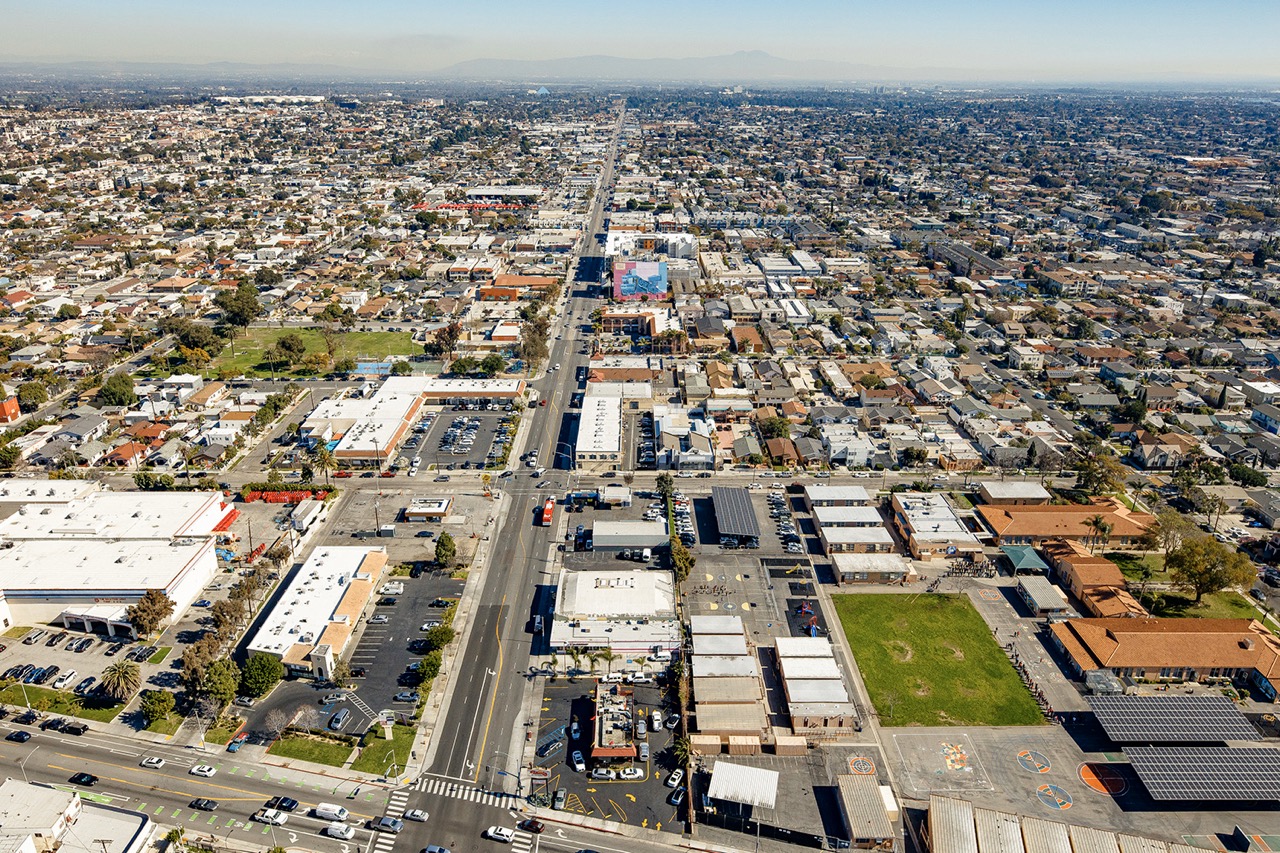
Southern California overall has long been recognized for its large Southeast Asian immigrant population, evident in Thai businesses in Long Beach as well. While Long Beach’s Cambodian presence is considerably more prevalent than its Thai presence, many Thai businesses are also located in Cambodia Town, attracting an abundance of customers.
However, the border dispute that erupted in July 2025 between Cambodia and Thailand has driven tension between the people of these two nations, which has trickled into Long Beach. Relations between the two nations remain shaky, despite the ceasefire announced at the end of 2025. Many Cambodians and Thais doubt that the ceasefire will be productive, as the border dispute has lasted over a century, according to the BBC, dating back to France’s ambiguous colonial mapping.
The conflict’s main points of contention center around the number of civilians displaced and debate about who launched the initial attack. Cambodians often argue that Thailand’s military and economic power has been used to violate sovereignty, whereas Thais often argue that Cambodians triggered acts of provocation.
To advocate their position, Cambodians have maintained a united front by organizing social media campaigns and spreading the word about boycotting Thai businesses and products.
The boycott message has reached Cambodians overseas, especially in Long Beach, where Thai businesses are surrounded by Cambodian ones. Karen Suykri, a Cambodian resident of Long Beach, said Cambodians support Thai businesses and products with all their hearts, but Thailand has shown no signs of appreciation.
Suykri also mentioned this form of retaliation is more peaceful than other methods, as it demonstrates that, without weapons, Cambodians can stand their ground against Thailand. While organizing boycotts has brought the Cambodian community together, what do these boycotts mean for local Thai businesses?
Working for 11 years at a local favorite Thai restaurant, Elephant Thai Kitchen’s manager, Tipappawan Kagow, reported that customer turnout has dropped roughly 20 percent since the Cambodia-Thailand conflict.
Kagow expressed her desire to put what happened abroad aside, saying, “For me, Cambodia and Thailand are like brother and sister.” She continued, “The fight is sometimes for the government and the government,” adding that Thais don’t have any bad feelings against the Cambodian people.
The consensus seems to be that the conflict isn’t over and won’t be for a while, but outlooks about what should be done differ. Kagow noted, “Whatever happened, it happened over there.”
On the other hand, Suykri described Cambodia as too close to heart to overlook the conflict, stating, “Even though there’s no war, they’re constantly still threatening us,” referring to Thailand. “They still occupy Cambodia and continue to destroy our home.”
Suykri also revealed that she may never buy from Thai businesses or use their products ever again. “We want to remember it and make it a part of history, and not let them off the hook that easily,” Suykri said.
Thailand has endured a lack of business not only because goods are not selling, but also because of workers leaving. This has been observed in Thailand itself, as AP News reported hundreds of thousands of Cambodian migrant workers leaving Thailand. A similar pattern could potentially occur in Long Beach.
While boycotts have united Cambodians and created opportunities for Cambodian businesses and products to grow, they have been at the cost of Thailand’s economy and local businesses.
For Suykri, boycotting Thai businesses is a way to educate others about the conflict and demand accountability, and for Kagow, the conflict should be separate from Long Beach. For now, the conflict has rippled across nations and caused division. The question is pressing: How can communities stand in solidarity without deepening divisions with others we share the same streets with?
***
(Featured image from Cambodia Town)